We have seen that the cultural field has changed from a Central field to a Margin field. The problem is that much of how we do church has been built into a central way of thinking. But instead of the church changing to connect with the culture of the day, they have continued in the same fashion. Not only is it not connecting with the culture of today, but it is actually not working for the people inside the church.
For the next few weeks, I will outline a few steps I believe the church should adopt in reaching the new world. All of these steps are drastic changes. They are not easy. They are different. But they are biblical, and they will be, I believe, steps that will suit the Wide Margin Culture that we see ourselves in today. Now these steps can apply to people who want to start a church gathering. But they can also apply to an institutional church, though these drastic steps will be very hard to do.

By way of preface I just want to explain something important.
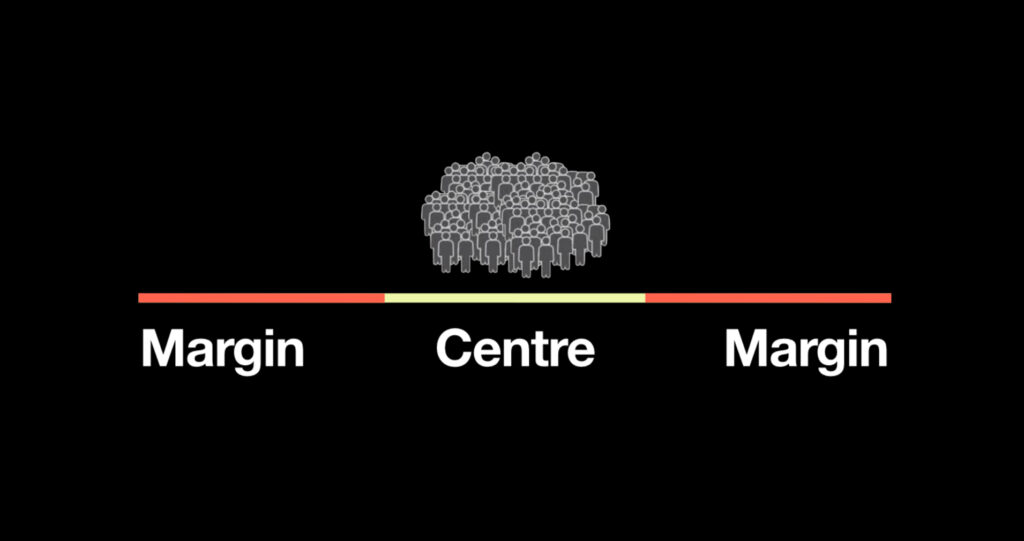
Previously we had a central part to the culture, and a margin either side. There was a sense of people coming from the margins to the centre. The centre was where the power was and the trust and the equipping. This makes sense in an over-arching culture.
Today this is not the case.
We don’t just have a different culture, we have different cultures.
We don’t just have a different centre, we have no centre.
As previously discussed, we have entered a totally different cultural field which I call The Wide Margin. People are spread all over the place with no central point.
How does this relate to the church? Being in the centre of the culture made sense back then. It was a “Come to Us” model. The culture came to you in the centre.
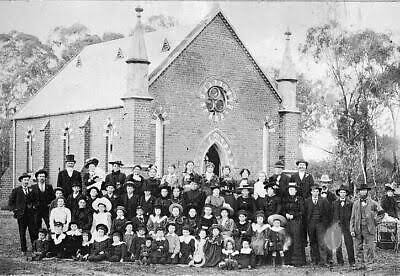
But now we cannot use that kind of system. No one is coming to you. There is no central locale anymore. So the church cannot be in this one position. It needs to be spread across the whole Wide Margin field.

So the big question is :
What are the steps and practices that comport to this world we are in, whilst retaining a biblical identity and shape of the true church?
It’s always helpful to try and start with the easiest steps to explain. It doesn’t mean it is the easiest to do, but helpful in changing the way that we are to think. Again, all of these steps will be like a paradigm shift. They will jolt you. They will change the way that you think about what church is supposed to be.
So we need to start with a topic that is the first one that we all react to.
It is the question about size. The question is : How big is a church supposed to be? Is there a particular number of people? Are we to aim for large churches? What if our church is considered small? Is that a failure? If it is to be, say, 100 people, why is that the case?
The first step is going to deal with this idea of size.
Are you ready?
We must start with our understanding of church size.
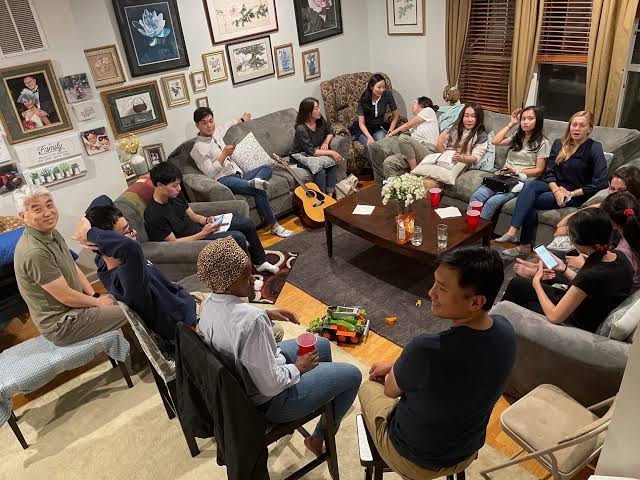
“Church”, by definition, is a gathering. But it never tells us how big this gathering is to be. What the Bible does tell us is what to do in these gatherings. We are to pastor, love, care, put up with, rebuke, teach one another, fellowship, share our gifts, be known and know each other. Much of the Bible sums up this idea of church like a family. That we are brothers and sisters We have spiritual fathers and mothers. In other words, this gathering, known as church, should look in some way like a healthy large family.
Now this is the question : Is there a ceiling to the number of people? When does the church go from being a family of people, to being a stadium of people?
Is there a point where the things that we are to do in the gatherings get lost? Is it a problem if I cannot know everyone and I cannot be known? If that happens, is that then a church? So we need to look at what the BIble says about what churches do and start to think whether the size of a gathering may enhance or impinge on those things. Is there a “design” to a church gathering that says it won’t go over a particular number?
For example, a man’s shirt is designed for one man. If you try and get two men into the same shirt, it would stretch and break. In order for the shirt to function the way it should, it wants to be with just one man. Not two. Is there something similar for the church gathering?
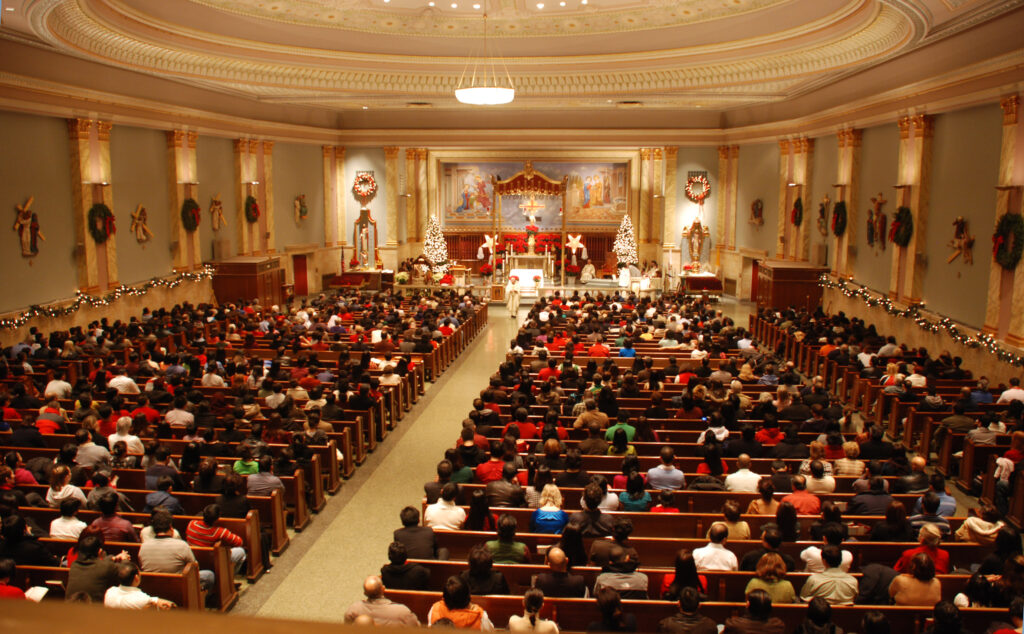
Can a church gathering of 1000 people do all the ingredients that the Bible says?
Can a church gathering of 100 people do that?
Could our idea of church size be wrong from the get-go?
We usually think of church of say, 100 people. If we see a church of 30 we tend to think that this church is struggling for numbers or that it is not “successful”. We see a church that continues to get thousands and thousands of people as being successful.
We are crazy about size.
This is one of the problems in our thinking. We think the bigger the size, the better. But this way of thinking is actually part of the old way of thinking. This is Central Field thinking. Building empires and mega churches, I believe, is not what cultures want. I don’t think they prioritise “big things” as much now.
But we have been swimming in this “Big Church” ocean for a long time. I believe we think that because we want to see more people saved. But could there be a better way of getting more people saved? And more importantly, discipled?
If we are to spread across the Wide Margin field of culture, the solution is not to make a big gathering in the middle. We need to drop one of our sacred cows in regards to church. Church gatherings are actually supposed to be smaller than you think. If we truly want to go after them, a better way is this :
Step 1 :
From a Few Big Churches
to Many Small Churches
I told you this will be drastic. Thinking of a large gathering is a central culture thought. Thinking of many many small gatherings is a margin culture thought. Christians need to start adopting this posture of “margin” rather than “centre”. The days of 100 people churches or 1000 people, I believe, are over. Todays world is screaming for many many little churches of 10 or 20 people spread across the globe.
I will show you some of the benefits of smaller church
1. Spreadability
A smaller church can actually be spread across a larger area than a bigger church. Say there was a church of 200 people. Let’s say they have 1 church gathering. So that means it is in 1 location. And it also means it is at 1 particular time.
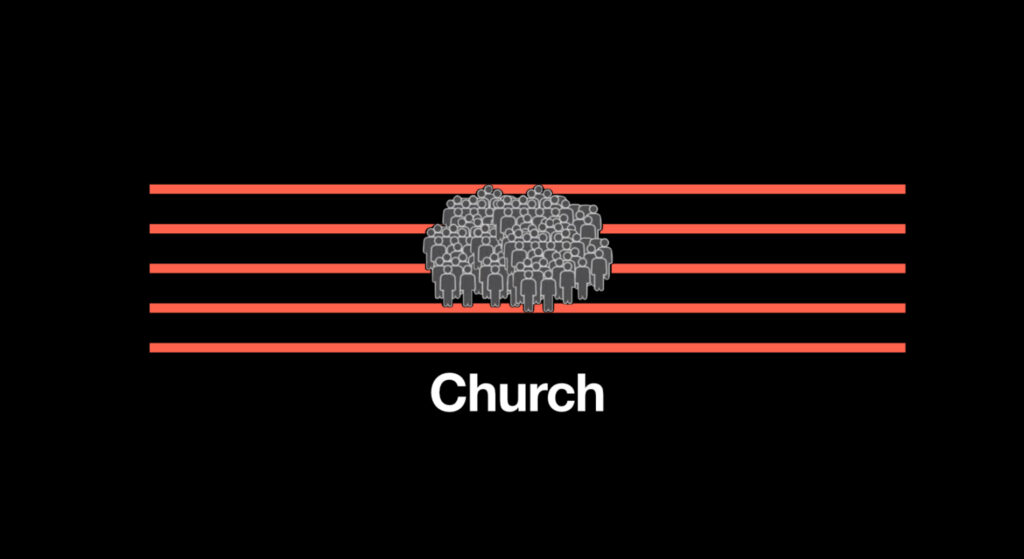
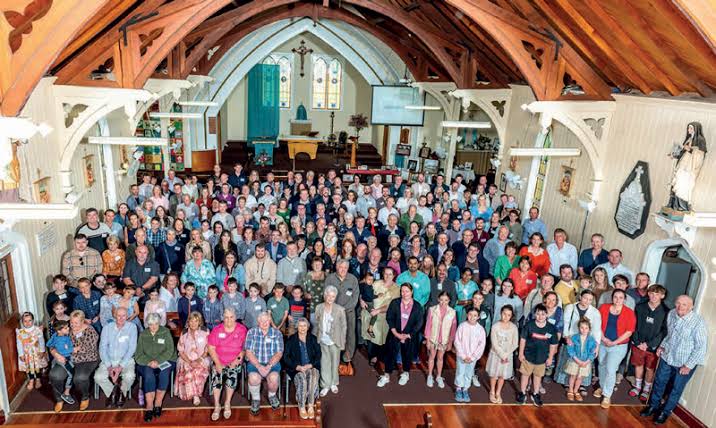
Let’s say that church of 200 decided to divide up into groups of 20 people. What would you have then? You would have 10 churches. You could have 10 locations.
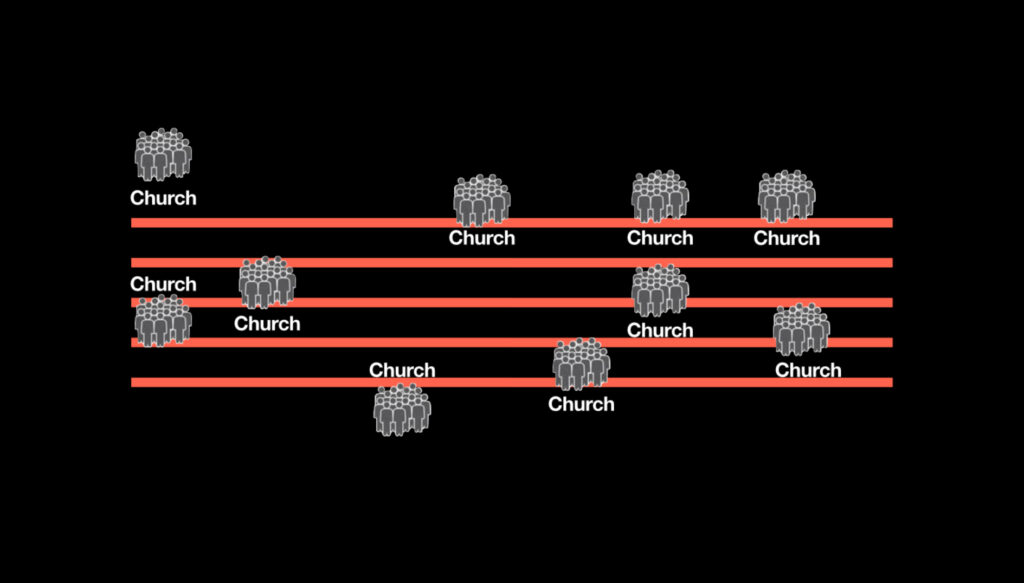
What these churches lack in size, they greatly increase in spreadability. I believe that having it smaller in 10 places would connect better with the community than having it once in a big way. I believe that it would disciple 10 times better also. I believe that it would fellowship 10 times better also. And the obvious reason why it can spread better is that it is easier to create a new group of 10 people than it is a group of 100.
2. Functionality
Can your small church do all the functions that the Bible requires? Can you disciple each person? Can each share? Can each person be pastored? Can each person be known? Can love and co operation and fellowship happen? Now there is no magic number to gatherings. But I think the question should be : Can we do all of the things required of a local church in this size gathering? Does it feel like a large family? Or does it feel like a stadium? Do the pastors know me? Do I know them? Are we doing fellowship here? Or are people getting lost in the cracks?

Sociologists have said that when you get to a group of 21 people, the group dynamics change a lot. In order to maintain discipleship, fellowship, and mission, I would say to keep a church between 10-20 people. If you go beyond that, then the church should divide into two gatherings.
The thing that trips us up is this sense that a church gathering has to be big. 20 people doesn’t sound like a church. So why has this happened? Why does every church planter try to reach hundreds of people to the one location?
Because Christians have gotten use to church not being a gathering but a performance.
If a church has 1000, I definitely will watch a performance.
If a church has 100, I will still watch a performance.
But if it gets below 30, the performance somewhat stops and the people start to connect with you. You cannot be hidden then. You are part of it. You cannot be a consumer anymore, but a contributor.
And this is why it is a question of functionality. How does your church function? If it is a church of 100 people it will tend to function like a performance rather than a family. It has to. So churches work really hard to make the performance as orderly as possible and to sprinkle in as much community as they can. That is why pastors work hard at scirpting things and having enough seats for every body and the band playing as best as they can. They have to put on a good show. But no one has asked the question : Does church have to be this size? If it were alot smaller than we don’t need to worry about the “performing” of church.
Again, the pushback would be :
But that’s what church is.
We have gotten use to church functioning like a performance, a show, rather than a large family coming together to share their lives.

In a small gathering, leaders cannot have empires, and consumers have to be contributors. It’s no longer a performance you attend. It’s a family you are part of.
3. Design
When something is too big it actually changes what its design is. Big church has become something other than church. It is rather a “service”. Sometimes more is actually less. And less it actually more. IThat is, the design of church is supposed to be small. And small is not 40 people. Small is 10-20.
Think of it like Basketball. How many are on the court for your team? 5 players. Each has a particular role. Each gets the ball. Each know each other. The game of Basketball can be played 5 on 5. People have space, they can dunk and do great passes. The design of the court is for the amount of 10 players on the field. Everything is set up for a game of basketball to be played properly.

But say you placed 100 on your team. And all 100 went onto the court. It would be chaotic. You would hardly get the ball. It actually would not be a game of Basketball.
That is the same as church. Church was designed to be a tight-knit gathering where discipleship can happen, fellowship can happen, and that evangelism can happen. You lose that in a bigger gathering.
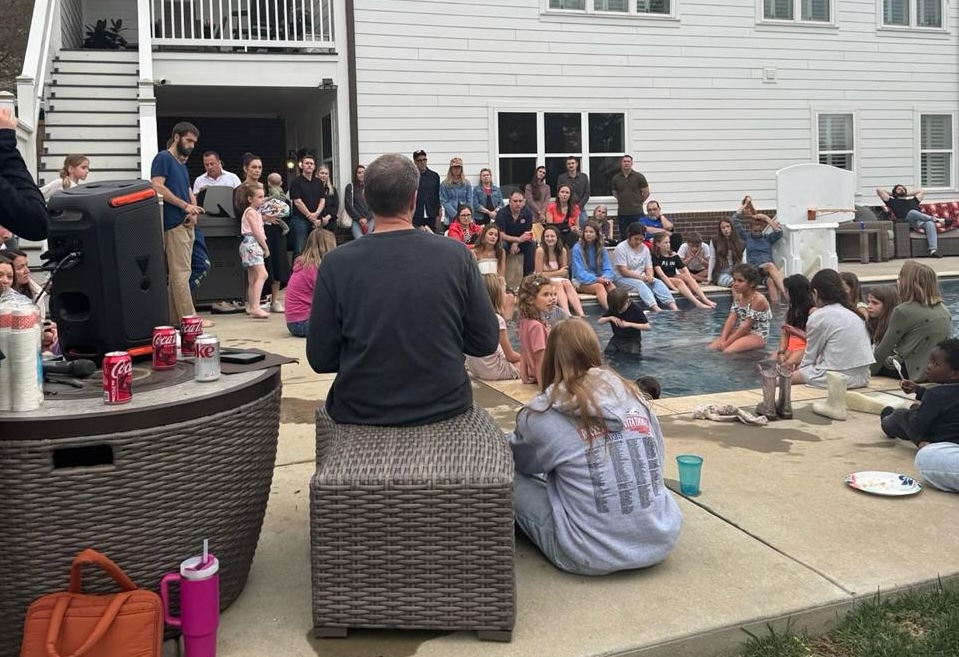
I think that we need to get rid of the term “micro church” and make that “church” and start calling “church” as “obese church”. It was never meant to be that size.
This is the first step that we need to adopt.
We need to think of church at this particular size. This will feed into the other steps I will outline, but this one is the most crucial. If a gathering continues to be really large, they will miss out on all the benefits of what a church can do for people.

I believe that the Wide Margin Field is crying out for more churches that are this particular size. They want to know people in a deeper way. They want to get involved in a more practical way. And they want to teach and be taught.
They need a family.
Imagine a city that had thousands and thousands of gatherings like this on every street. Can you imagine what that would do to the neighborhood? Can you imagine the exponential growth it could have? It’s easier to set up a gathering of 10 than a gathering of 200.
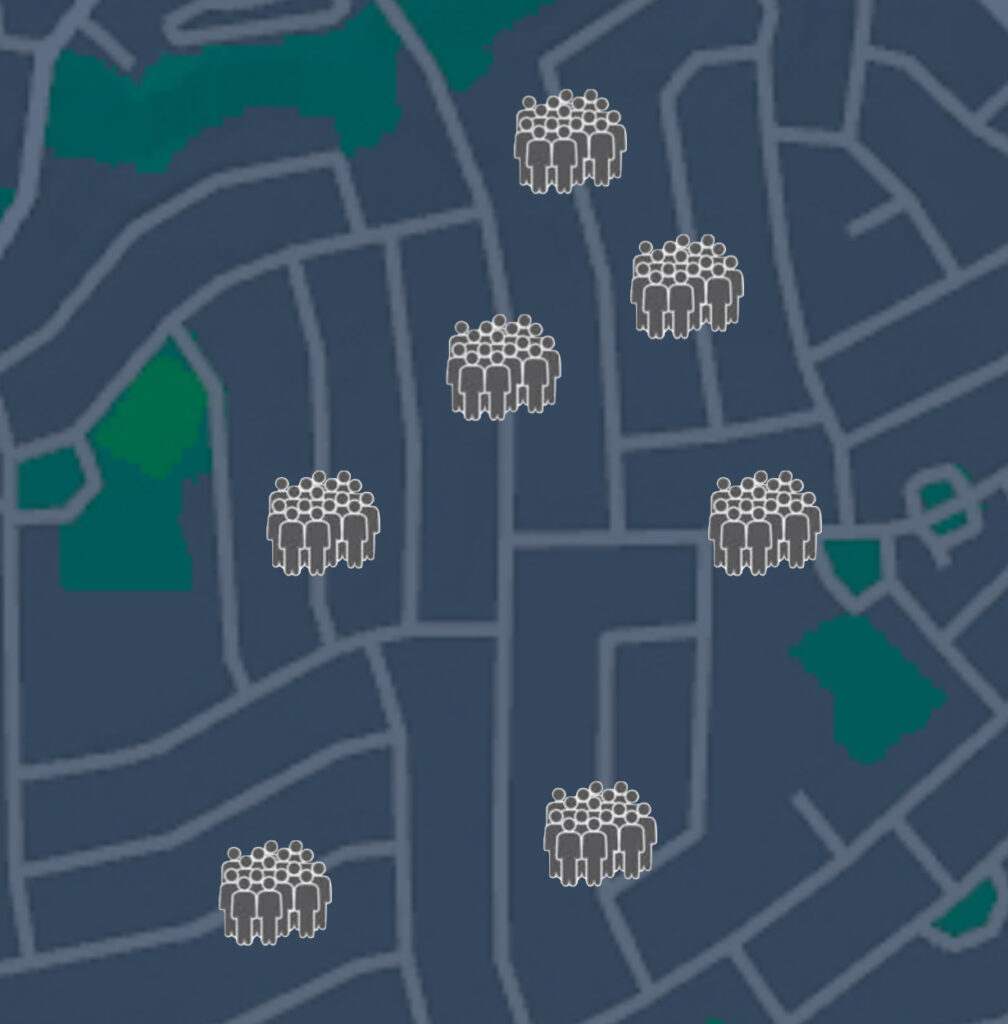
I believe we will see more of this in the future. Less big visible churches, and many many more smaller churches spread across the city.
I leave you with one last analogy.

In the central field, the church was much like a Big Gorilla. He was the king of the jungle. He would bang his chest and culture would come to him. You can’t miss him, you can’t mess with him.
But now that Gorilla has diminished in power. He bangs his chest but no one hears. Everyone is doing their own thing and being their own boss.
We need to ditch the Gorilla Warfare and try something else.

Guerilla Warfare.
We need small pockets of soldiers, lurking in the margins, undercover, quick and nimble, versatile and flexible. Many and spread across everywhere.
Church, the Gorilla days are over.
The Guerilla days have begun.
Let’s go from Few Big Churches to Many Small Churches.