At the end of last session we were left looking at the church as a
A Small gathering (10-20),
Meeting in homes.
But that just leaves one with a description of something called “Cell Church”.
The Cell church model is this idea that you will have little gatherings that meet in homes, but they are collectively part of a larger church, a larger gathering where all the groups come together as a large church. It is much like one church that happens to meet across multiple locations. A similar idea to the Cell Church is that of “Multi Site Churches”. They are church gatherings that are part of a larger church.

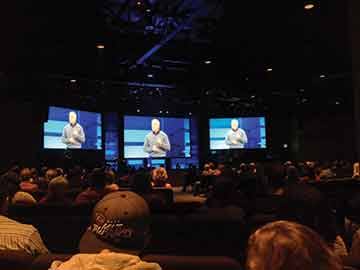
What do these gatherings all have in common? All of them are actually under the authority of a central power. This could be seen as a mother church or a headquarter for the whole church.
This is called Centralization
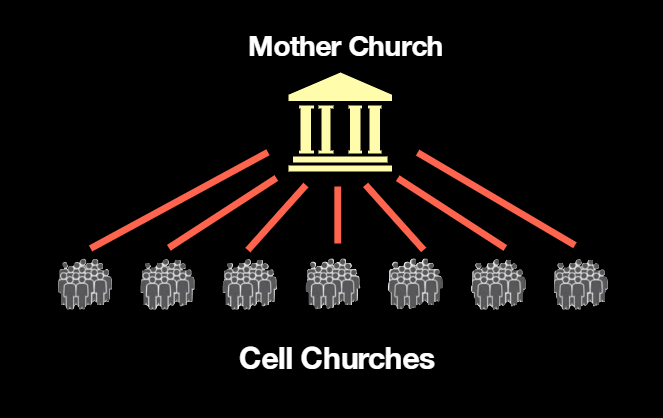
Here you can see that, although the church has local expressions in small gatherings, they are all still “attached” to a headquarters or a hub that feeds the whole thing. Hence why this is called “cell churches” much like one human body comprised of many cells. Many cell churches will have a small expression of teh church during the week but then will have all groups “required” to participate in the “gathering” where all of the groups come together for “real church”.
In a subtle way, this form of church is still suggesting that the small groups in the homes of people are not really the full expression of church yet. They need some sort of headquarters or centrally located power to protect and lead them.
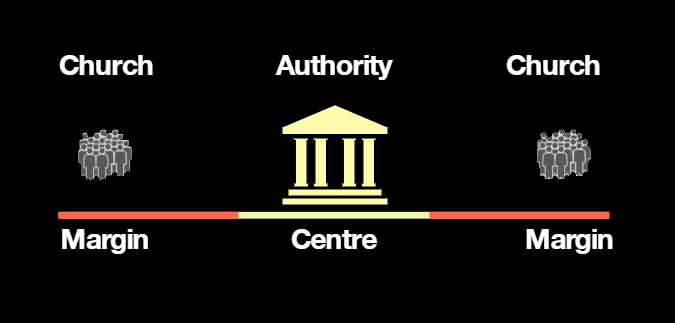
A church that practices Centralization is one that may look small, may even meet in a home, but they are “centrally” run rather than “marginally” run. Most, if not all, institutional churches will share in this idea of centralization. For some, being part of a particular denomination, means you must adhere to centralization. The church itself functions like a cultural field with a centre and margin.
So, what are the main elements that get “centralized” in doing church this way?
1. Leadership
The cell churches, or the gatherings, or just the congregation in general, must listen to the central leaders or the central entity that they are depending on. They are to listen to their leading and be on board with that. This has much to do with “control”. A centralization church wants to maintain control and leadership at a fixed point through a staff team or some pastors or bishops.
2. Teaching
All congregant members, even if they break into small groups throughout the week, are required to adhere to the same teaching. The leadership group will probably make the study material for each group to go over. Many centralized churches will have a sermon preached on a particular topic and then would have Bible Study groups gather in the week to look at that same topic. For a gathering to do completely different teaching may be seen as unsubmissive and division in the church.
3. Money
The money from any groups or congregant members must filter through a centralized area. Then that money or resources would be distributed across the church where needed, or it would go to the central leadership. Much of the money would be required to pay staff and to help with the upkeep of the building. A gathering or cell church that used finances in a different way would be seen as a church that is not stewarding the money properly for the church.
In other words, Centralization is Dependence. Is that bad?
On one level, it is good to share the resources and to be under the authority of another church, which can protect you from false teaching if the gathering was on its own. But on another level, if there is dodgy teaching from the Mother church, then that will permeate the whole church system. It can also lead to platforming the central figures too much that the church becomes all about them and their personality.

Now why are we talking about this whole “centralization” thing? This is very relevant because our culture at-large has been a centralized system.
But today the world is against centralization. What the church needs to do is to figure out a way of doing church that is not in a central way.
That’s where Step 3 comes into play. This is the step that many institutional churches are not brave enough to take. This step will utterly change the fabric of church.
Step 3
From Gathering Dependent Churches
to Scattering Independent Church
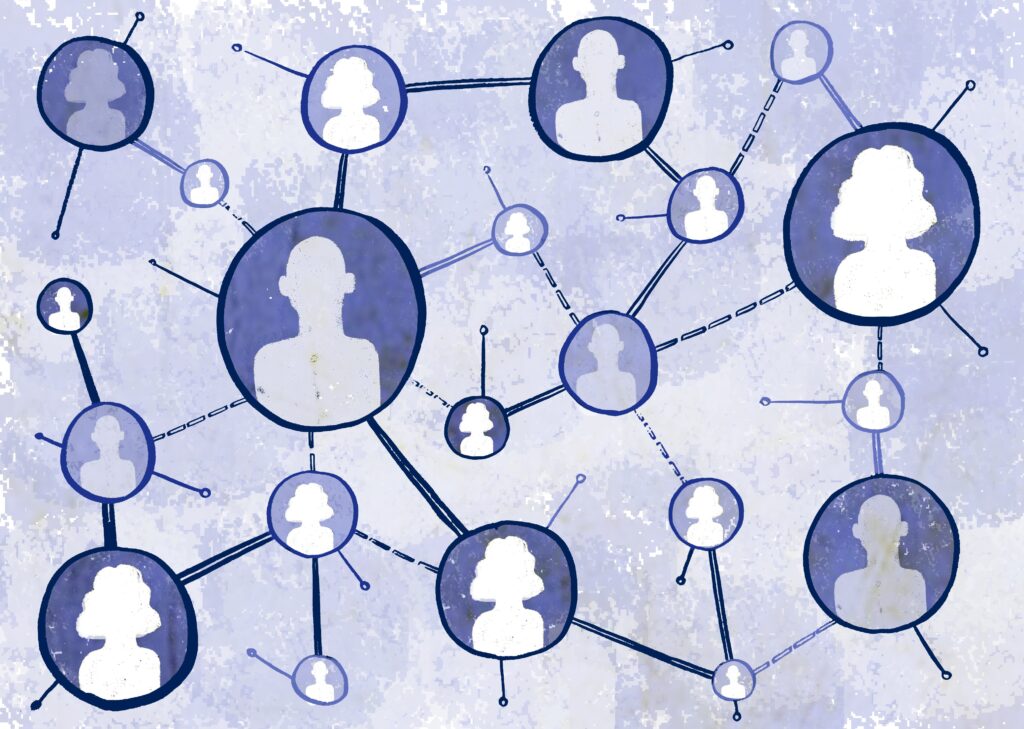
We need to make a movement of church where the key way of doing church is a scattered independent way rather than a gathered dependent way. We need to go from what is called “Centralization” to what si called “Decentralization”. Centralization means that there is a centre to the church. The centre controls the movement of the whole. If the centre does something, then everything connected to it will move with it.
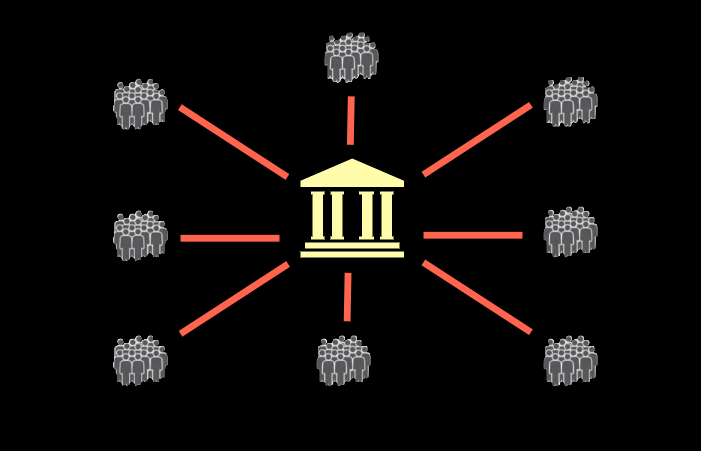
Even if you have separate gatherings, you can still have a centralization. Even if that church was an independent church, it could still have a centralization of control, power, leadership, teaching, money, and vision.
Decentralization means there is no centre.

There is no central hub of gathering. There is no central leadership or central resources or central teaching. The key is to scatter the church, in a good way, to release it, to make it independent. If we continue to centralize everything and gather rather than scatter, much like the tower of Babel, it actually is trying to make a name for yourself and not fulfilling the great commission of filling the earth.
But first I need to explain this idea of Scattering and Decentralization, and why it can be a healthier way of making disciples for Christ.
1. Scattered Church is Gathered Church
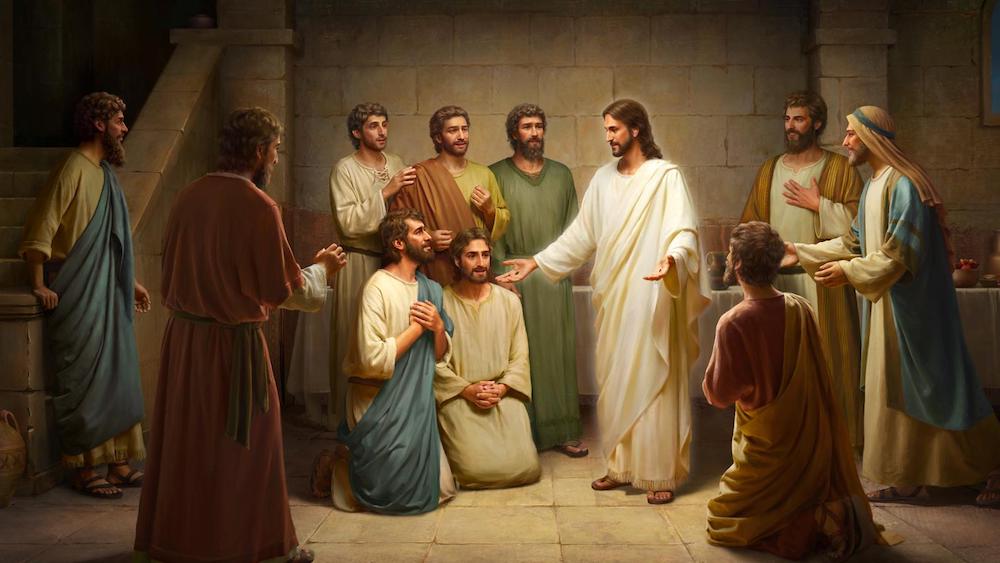
What I mean is that every church gathering has to face this question : Who is in charge? Scattered churches would still regard Jesus Christ as the one in charge. So even though they are scattered and independent, they are gathered and depedent on the lordship of Jesus. There is an element of centralization going on with leadership, authority, vision, teaching, and such. It just resides in Jesus Christ.
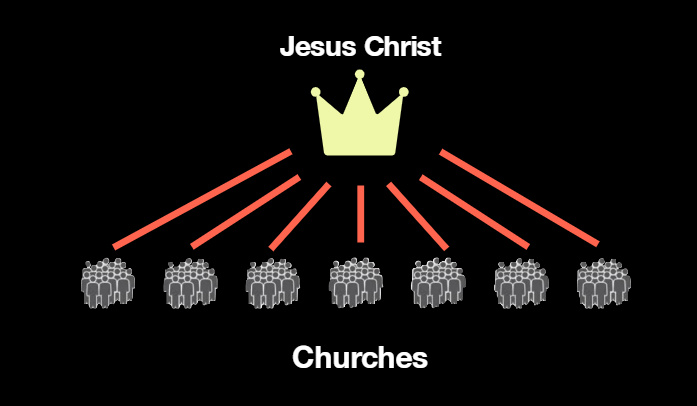
Even centralized churches would agree that Jesus is the one in charge, but many practices of the church fail to show this.
So that needs to be cleared up. Decentralized independent gatherings are not totally independent of anyone, but still see themselves come under the rule of Christ. The word “scattering” does sound like they are without any sort of leadership or rule. Like a rogue pirate ship that’s gone its own way. Actually, there is no Wide Margin Church that would see themselves are totally decentralized in that way. They all have a centre, that of Jesus Christ.
2. Scattered Church is Leaderful rather than Leaderless
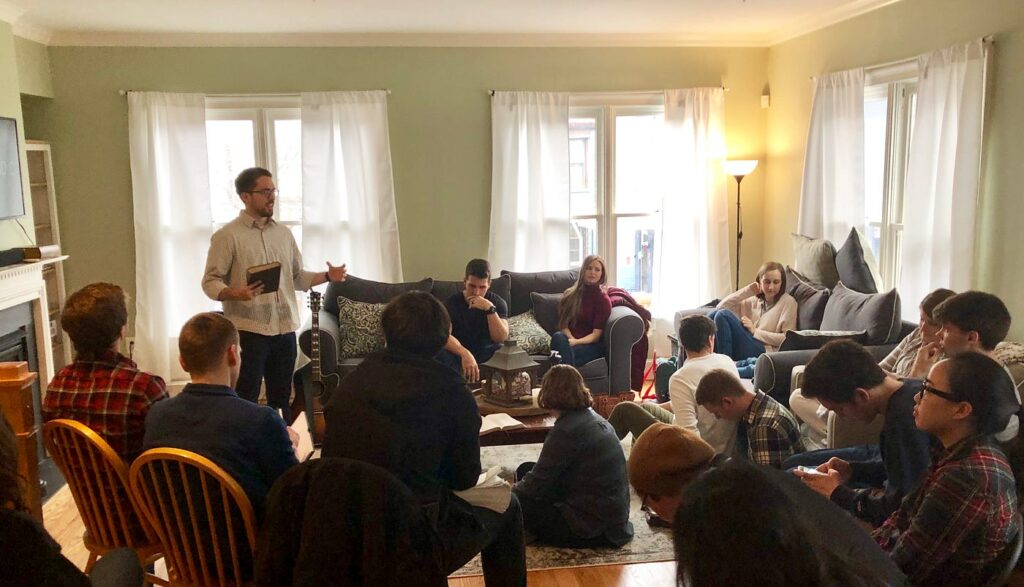
Many think that Centralization is needed because you need leaders. As I have stated above, Jesus Christ is that leader. So no decentralized church is “leaderless”. If anything, it actually goes the other way. Because leadership resides in Jesus Christ, he then distributes this leadership through the work of the Holy Spirit throughout his body. So the whole function of “leadership” gets spread across the gathering. “Leading” is something that is shared, rather than something that is located in one individual. Scattered churches are “leaderful”.
The problem happens when people think that pastors and bishops and priests are the only ones that can lead a church. If you are a church that is detached from these, then they assume that there is no leadership happening. They have forgotten that even if they didn’t have pastors and elders, they still have the leadership of Christ. And they have forgotten that all God’s children are called to “lead” in some capacity. We will deal with this in our next step in more detail.
This is what you will see with the function of decentralization. It will get a particular element, such as leading or teaching, and will spread it across the spectrum, rather than centralize it in a select few.
3. Scattering is Degeographical

There are many gathered centralized churches that claim to be degeographical, that they are spread throughout the city or country. But a centralization means that there is a geographical hotspot where it all emanates from. You could have a gathering in another state from the mother church, but instead of preaching live, the congregation must watch a video stream from the mother church.
Now with a truly decentralized gathering, this degeography will play itself out when the gathering grows. Church growth is the fruit to see if you truly are decentralized. With time, the scattered church should grow and produce more churches that scatter and form themselves across the city and country. Ideally there will be no hotspot or central part to the gathering. It will scatter throughout the city or country or world.
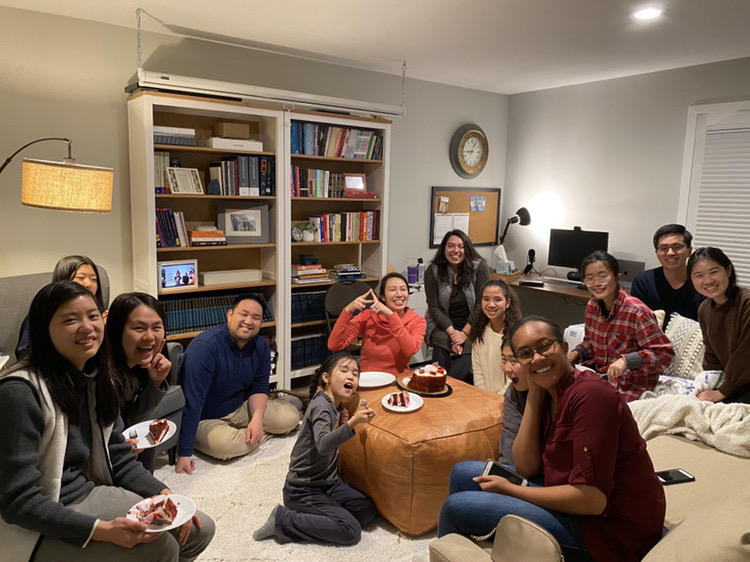
When a church gets to 20 members, it would split into 2 decentralized gatherings of 10. Then, when those 2 churches again get up to 20 members, they would split again, making 4 decentralized gatherings of 10 people. Problems will happen when one of those churches starts to “function” like a central entity.
Below is the contrast of both systems. The dotted lines represent decentralization. The thickened lines represent centralization.
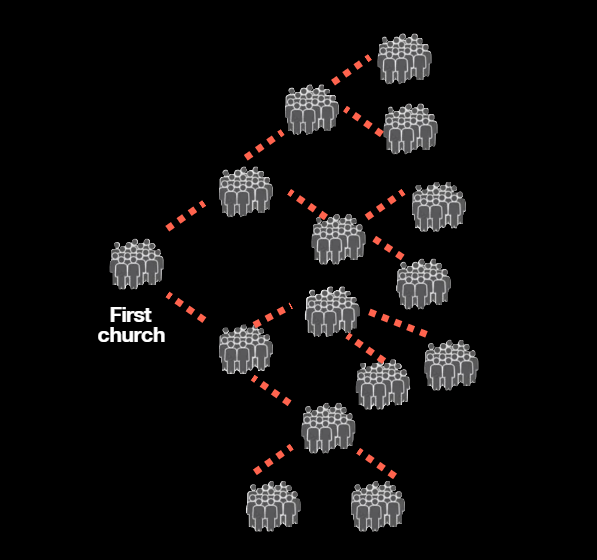
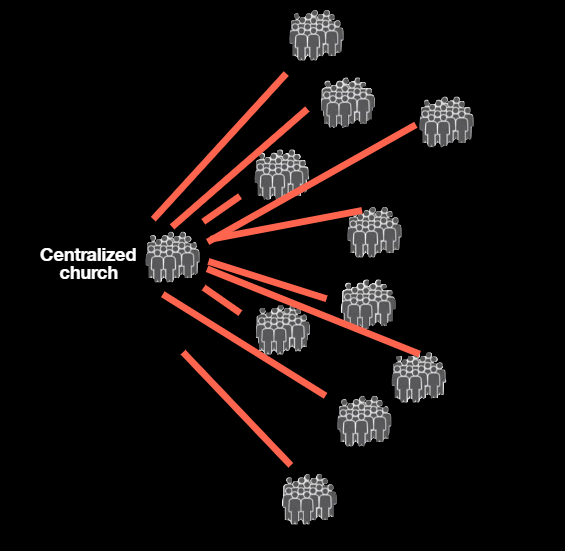
Centralization could still happen at the micro level because all gatherings have people knowing each other or had been part of the same gathering previously. And this will affect church growth, autonomy, creativity, leadership, and so on.
True decentralized growth will make each gathering independent, making churches spread across a town or city or country in without a central point.
4. Decentralization is Networking

The days of denominations is gone. Networking is where it’s at. That’s what a decentralized movement of small gatherings can have. A network of relationship. Many decentralized churches may have been birthed by another decentralized group, meaning that there is this close “familial” relationship they have.
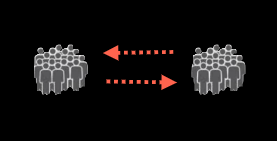
The goal of a decentralized church would be to make a “child church”, be a “mother church” to them, and train them up to make a “child church” themselves.
The best way for this to happen is through decentralization and networking.
We shouldn’t think of a decentralized church as an “island church”. That is, that they are an island to themselves and are alone in the wilderness. It would be healthier if these churches would be in relational ties with other decentralized churches. Much like a smattering of islands together.
5. Decentralization is Mentoring

If they are part of a network of gatherings that are connected through relationships rather than centralizations, then mentoring or coaching is a possibility that can happen. It does not mean that there are particular leaders or groups that are controlling others, but rather relational decentral mentoring that can help, rebuke, share, or teach in a way that upholds the autonomy of every gathering.
Even before a gathering grows and splits, they could get used to being split for particular gatherings. Mentoring and coaching could already happen, so that when the split does happen, each gathering is up and running straight away.
All in all, Decentralization is quite a foreign idea for many in the church. It’s very easy for one individual or church to platform themselves and centralize things.
But I believe this is what the world needs right now: Decentralized churches.
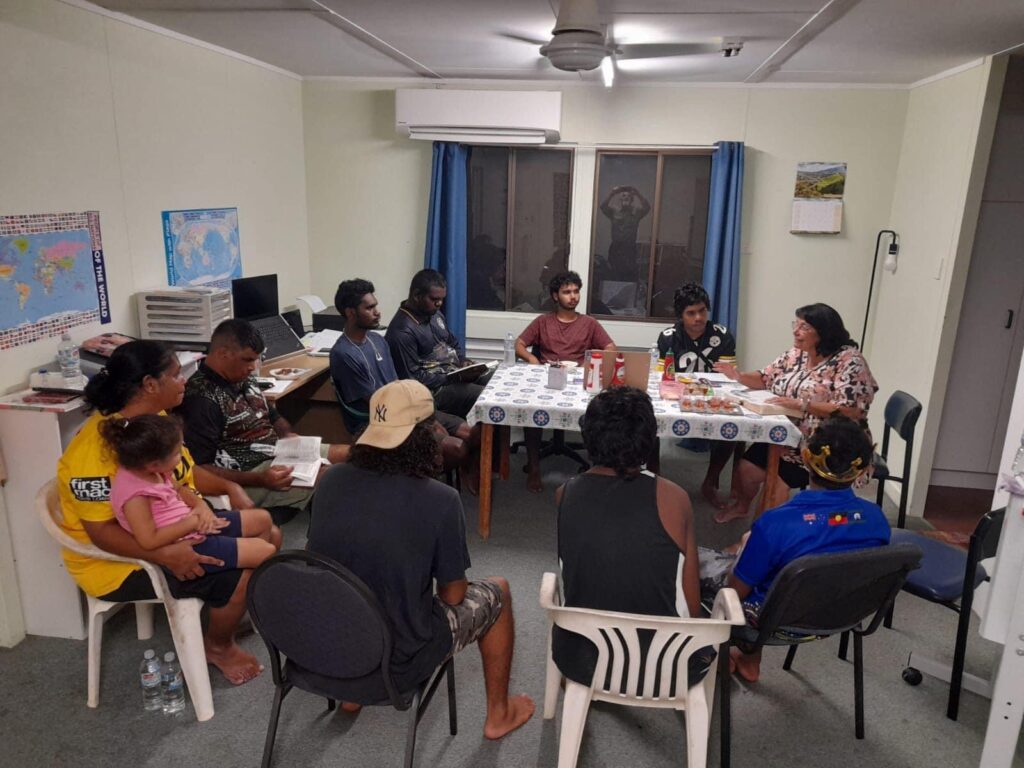
They want to be part of smaller gatherings in a home which is autonomous to themselves under the direction of Jesus Christ. This, I believe, is the best way to do discipleship.
But the inevitable question will keep coming up:
What about pastors? Don’t you need a pastor?

That’s the next step to unlock.